
How Do Porta Potties Work?
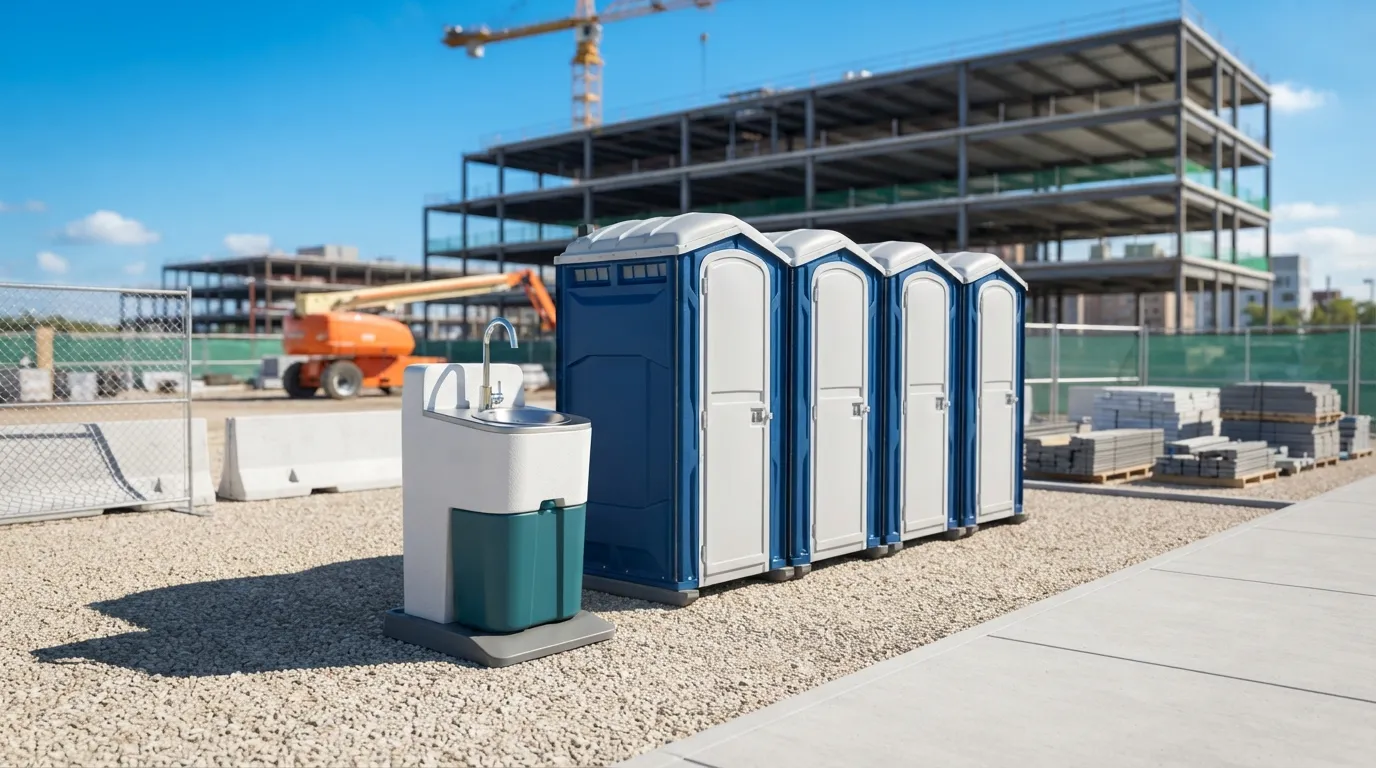
There's no flush and no pipe running to a sewer line. The unit is a sealed box: a seat on top, a holding tank underneath, and a vent stack that carries odor up and out instead of back at you. Waste drops straight into the tank, where it mixes with a blue chemical treatment designed to break down solids and mask odor between service visits. That's the whole system. A construction worker running to a porta-potty on a job site doesn't need water pressure or a septic hookup, just a unit parked close enough to reach on break. Yuma Porta Pros sets units on level, stable ground per ADA Standards 302.1, because a tilted unit is a tipping hazard and a service headache. Standard units run about 44 by 48 inches on the ground and stand roughly 92 inches tall, small enough to tuck against a fence line without eating up usable space. For most jobsites and backyard projects, a standard porta potty rental covers it. If you're not sure how many you need for a crew, the porta potty placement guide and the how many porta potties do I need page both walk through the math.
How Does a Flushable Porta Potty Work?
A deluxe flushable unit adds a small onboard freshwater tank and a foot pump or hand pump that pushes a burst of water into the bowl, rinsing waste down into the holding tank below. It still doesn't connect to a sewer line. It just makes the experience feel closer to a real bathroom, with a hand sanitizer dispenser and sometimes a small sink built in. That's different from a portable sink rental or handwashing station rental, which are separate units built only for washing, not toileting. A deluxe flushable porta potty from Yuma Porta Pros is popular for weddings and events where guests expect more than a bare-bones unit. If you're running a wedding, a wedding restroom rental setup or a step up to a restroom trailer rental gets you flush toilets, running water and mirrors, closer to indoor plumbing than any standalone unit can manage.
How Do Camping Porta Potties Work?
Camping and remote-site units work the same way as a jobsite unit: sealed tank, chemical treatment, no external hookup needed. The difference is mostly footprint and service interval. Camping units tend to see lighter, less frequent use than a busy construction crew rotation, so the same 60 to 70 gallon tank stretches further between pump-outs. ANSI/PSAI Z4.3, the portable sanitation service standard, sets a baseline service interval of once a week for up to 10 users over a 40 hour week, which is the starting point Yuma Porta Pros uses before adjusting for actual headcount. For a farm crew or a hunting camp outside Yuma, that same logic applies to camping porta potty placement and to farm and agricultural restrooms, where OSHA 1928.110 sets a separate standard for field sanitation: one facility per 20 hand-labor employees, within a quarter mile walk.
Do Porta Potties Use Chemicals, and Are They Safe?
Yes. The blue liquid in the tank is a deodorizing and waste-breakdown treatment, not a harsh industrial chemical, and it's sealed away from the user the entire time. People sometimes ask about portable toilet chemicals near me expecting something dangerous, but the treatment is formulated specifically for enclosed tank sanitation and handled by trained service techs during each pump-out. It's a different product entirely from septic tank cleaning chemicals, which are formulated for underground residential tanks and a different biological environment. A residential septic tank typically needs pumping every 3 to 5 years depending on tank size and household size, and Yuma Porta Pros runs that side of the business too through septic pumping service and septic tank cleaning. Restaurants and commercial kitchens have their own version of this cycle: a grease interceptor gets pumped once fats, oils, grease and solids reach 25 percent of the liquid's depth, which is what drives our grease trap pumping schedule.
On a construction site, unit counts aren't a guess. OSHA 1926.51(c) sets the ratio: one toilet for 20 or fewer workers, then one toilet seat and one urinal per 40 workers once you cross 20, dropping to one per 50 once a crew hits 200 or more. Handwashing only falls under OSHA 1926.51(f)(1) specifically where workers apply paints, coatings, herbicides or insecticides, not as a blanket rule for every site. For crews needing ADA-compliant access, ADA Standards 213.2 requires at least 5 percent of clustered single-user units to be accessible, and never fewer than one, which is exactly what our ADA accessible porta potty units are built to meet. Full breakdown of the numbers lives on our OSHA portable toilet requirements page.
What does a porta potty look like inside, in a diagram sense?
Picture a box: seat on top, sealed tank below holding 60 to 70 gallons, a vent pipe running up the back wall to carry odor out above head height. No pipes, no water line. That's the entire mechanism, whether it's a basic unit or a portable restroom rental upgrade.
How often do porta potties get serviced in Yuma?
It depends on usage, but the baseline under ANSI/PSAI Z4.3 is weekly for up to 10 users across a standard work week. High-traffic events or big crews need more frequent visits. See how often are porta potties cleaned for specifics.
Do porta potties smell bad?
Not when serviced on schedule. The vent stack pulls odor up and away, and the chemical treatment keeps bacteria from breaking waste down into stronger smells between visits. Full explanation on do porta potties smell.
Can I rent just one unit for a weekend project?
Yes. A standard unit rents by the weekend, day, week or month, and Yuma Porta Pros delivers across Yuma including drives out to Rancho Mesa Verde, about 19.1 miles northwest, and Somerton, roughly 20.7 miles northwest.
What's the difference between a porta potty and a restroom trailer?
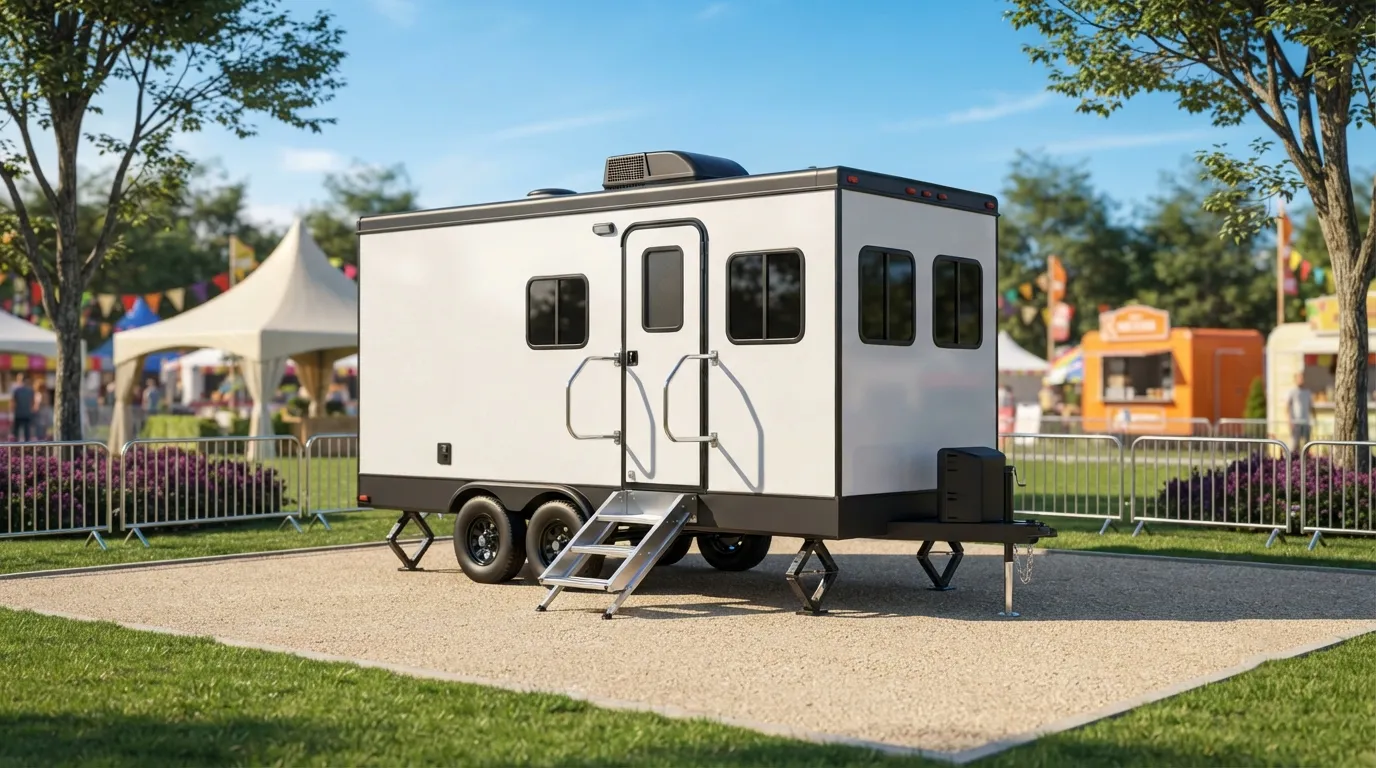
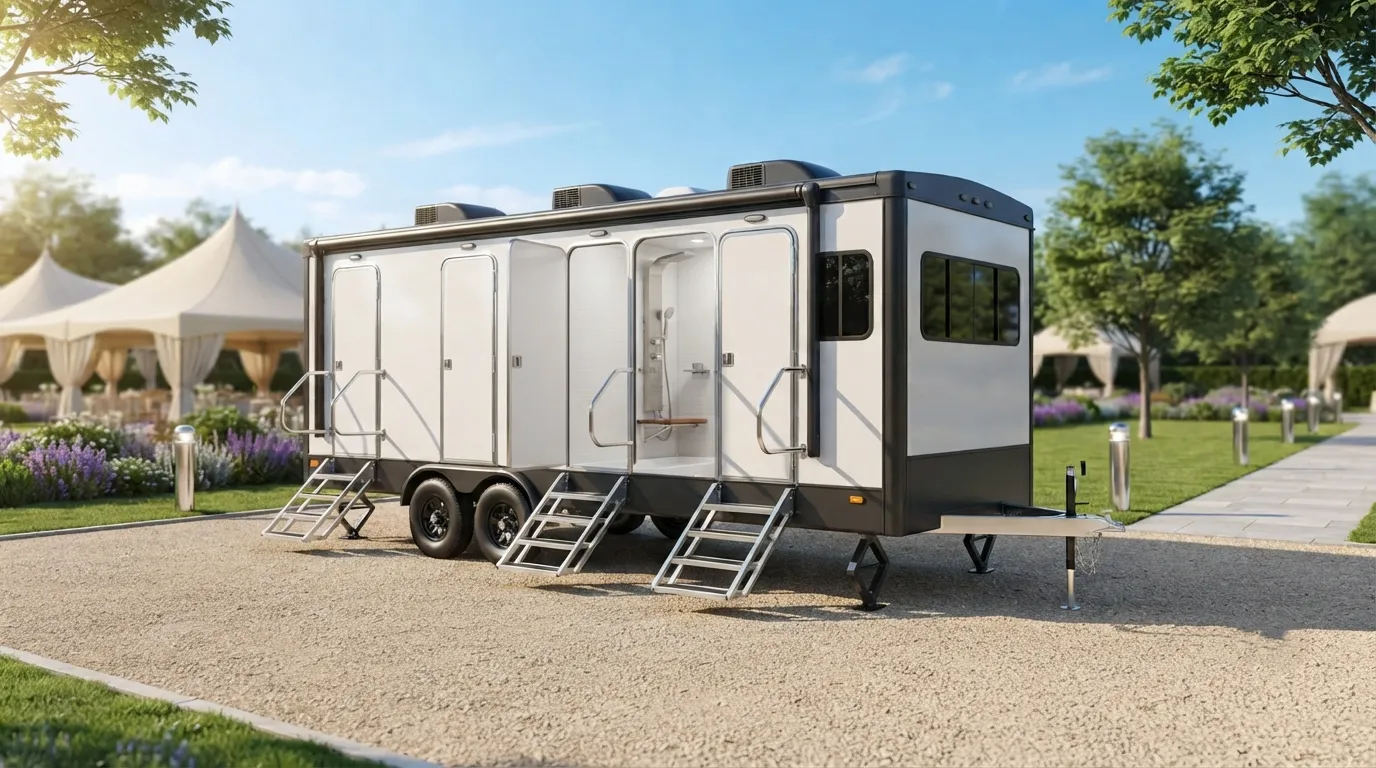
A porta potty is a single sealed unit with no water line. A restroom trailer has multiple stalls, running water, real flush toilets and often climate control, closer to a permanent bathroom. Compare options on restroom trailer rental cost.
Next step
Get a delivery date
Tell us the address, the dates and the headcount. We size the order and confirm the route.